Nervous System
The autonomic nervous system regulates many automatic functions and can shift between states of activation and rest. Understanding these shifts can help recognize stress patterns.
Understanding the physiological mechanisms behind stress responses and their influence on daily functioning.
The human body has evolved sophisticated mechanisms for responding to challenging situations. These stress responses involve multiple systems working together, including the nervous system, endocrine system, and various organs throughout the body.
When the brain perceives a potential challenge, it initiates a cascade of physiological changes designed to prepare the body for action. This response affects heart rate, breathing, muscle tension, and cognitive processes.
Understanding these mechanisms can provide valuable context for recognizing stress patterns in daily life and developing greater awareness of how the body responds to various situations.
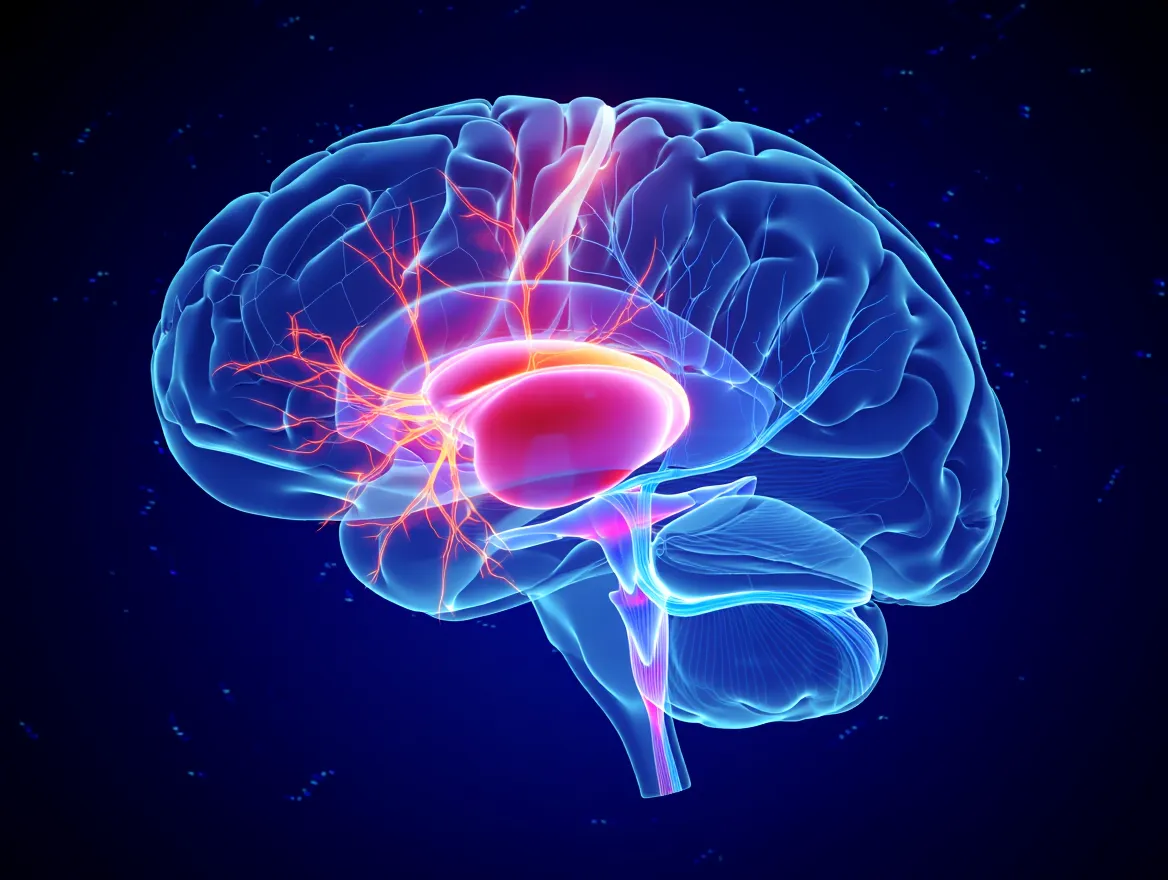
Multiple body systems participate in stress responses, each contributing to the overall physiological state.
The autonomic nervous system regulates many automatic functions and can shift between states of activation and rest. Understanding these shifts can help recognize stress patterns.
Various hormones are released during stress responses, affecting energy levels, mood, and physical sensations throughout the body.
The heart and blood vessels respond to stress by adjusting blood flow and pressure, which can influence energy and alertness levels.
Breathing patterns often change during stress, affecting oxygen levels and contributing to physical sensations associated with stress states.
Research suggests that stress levels can influence various aspects of daily life and functioning.
Stress may affect attention, memory, and decision-making processes. Some research suggests that moderate stress can sometimes enhance focus, while prolonged elevated stress may have different effects on cognitive performance.
There appears to be a relationship between stress levels and sleep quality. Understanding this connection can provide insights into rest and recovery patterns.
Stress responses involve energy mobilization in the body. Observing how stress affects personal energy patterns can support better self-awareness.
Scientific understanding of stress continues to evolve as researchers explore its many dimensions.
Research indicates that individuals may respond differently to similar stressors. Factors such as genetics, past experiences, and current circumstances can all influence how stress manifests in each person.
How a situation is perceived may influence the stress response. Some research explores how interpretation of events can affect physiological reactions and subsequent well-being.
The body's ability to return to baseline after stress activation is an area of ongoing research. Understanding recovery patterns can provide insights into overall functioning and well-being.
All materials and practices presented are educational and informational in nature and are intended to support general well-being. They do not constitute medical diagnosis, treatment, or recommendations. Before applying any practice, especially if you have chronic conditions, please consult with a healthcare professional.